


Traveling to Machu Picchu is not simply a matter of taking a train and arriving at the ruins. The journey involves several separate reservations, different transportation options, fixed entrance times, and—most importantly—a choice of Machu Picchu circuit before you even reach the site.
That can feel confusing when you are planning your first trip to Peru. But once you understand the route, traveling to Machu Picchu is surprisingly manageable.
The typical journey follows this sequence:
Lima → Cusco → Sacred Valley or Ollantaytambo → Machu Picchu Pueblo (Aguas Calientes) → Machu Picchu
This guide explains how each part works, which options make sense for different travelers, and what you should book first.
Where Is Machu Picchu?
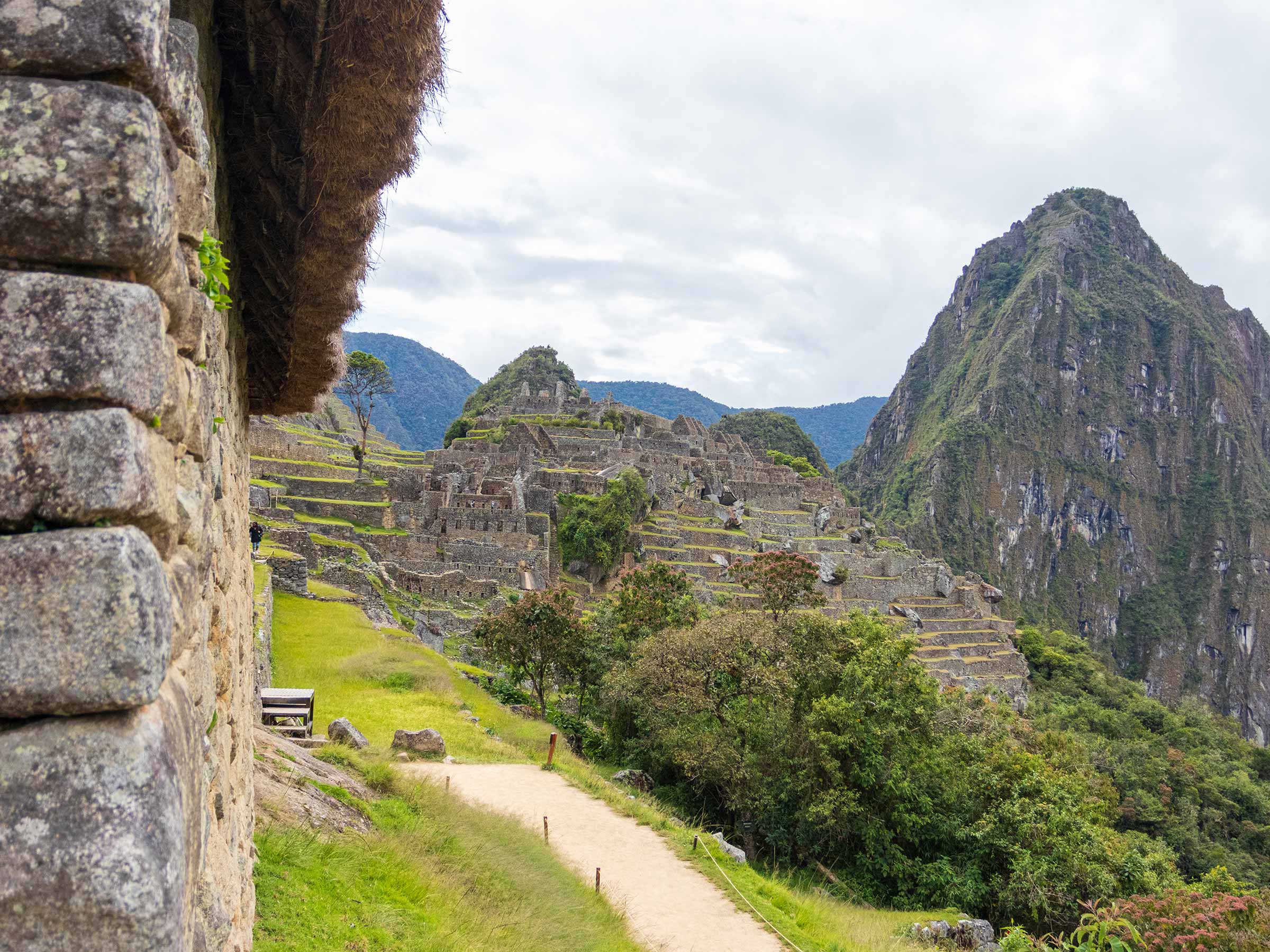
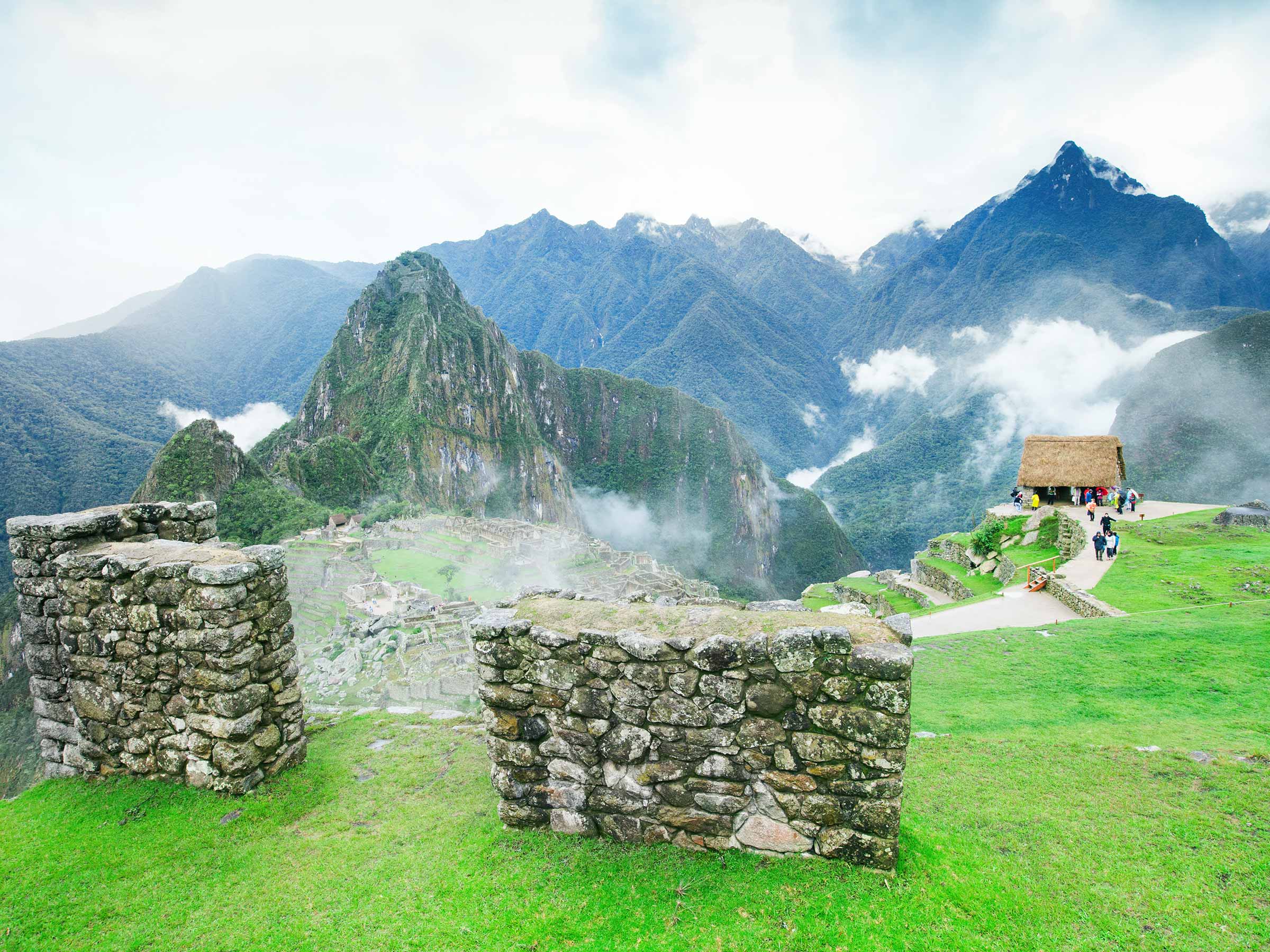
Machu Picchu sits at approximately 2,430 meters (7,970 ft) above sea level, on the eastern slopes of the Peruvian Andes, where the mountains begin to descend toward the Amazon basin.
One detail that surprises many first-time visitors is that Machu Picchu is actually lower than Cusco, which sits at roughly 3,400 meters (11,150 ft).
You cannot simply drive from Cusco directly to the entrance of Machu Picchu.
Most visitors travel through the Sacred Valley and continue by train to Machu Picchu Pueblo, commonly called Aguas Calientes. From there, buses climb the final mountain road to the archaeological site.
Step 1: Arrive in Cusco
For most international travelers, the journey begins with a flight to Lima followed by a domestic flight to Cusco.
Cusco is more than a transportation hub. It is worth spending at least a little time here before Machu Picchu, particularly if you are arriving directly from somewhere near sea level.
The biggest adjustment is usually not the temperature or walking—it is the altitude.
Because Cusco is significantly higher than Machu Picchu, some travelers prefer to spend their first night in the Sacred Valley, where elevations are generally lower.
This can also make the transportation to Machu Picchu easier because Ollantaytambo, the main railway departure point for many travelers, is already in the Sacred Valley.
Step 2: Buy Your Machu Picchu Entrance Ticket
This should usually be one of the first reservations you make.
Machu Picchu entrance tickets are separate from train tickets, hotels, buses, and most other transportation.
Official online entrance tickets are sold through the Peruvian government’s cultural ticket platform operated by the Ministry of Culture.
The important thing to understand is that you are not simply buying a generic “Machu Picchu ticket.”
You must choose:
- A date
- An entrance time
- A circuit
- A specific route within that circuit
Understanding the Machu Picchu Circuits
The current visitor system is organized into three main circuits containing ten different routes, a system that has been in effect since June 1, 2024.
Broadly speaking, they are divided into:
Circuit 1 – Panoramic
This circuit focuses on the higher areas of Machu Picchu and some of the most impressive panoramic viewpoints.
It can be particularly attractive to travelers whose priority is getting the classic elevated perspective of the archaeological site.
Some routes also include additional mountain hikes.
Circuit 2 – Classic Machu Picchu
Circuit 2 generally provides one of the most complete combinations of archaeological areas and classic views.
Because of this, these routes tend to be highly sought after.
Travelers who have a specific circuit in mind should therefore avoid leaving their reservation until the last minute.
Circuit 3 – Royal Machu Picchu
Circuit 3 explores the lower part of the archaeological complex and includes routes associated with attractions such as Huayna Picchu depending on the ticket selected.
The best circuit is not necessarily the same for every traveler.
Someone primarily interested in photography may choose differently from someone who wants to climb Huayna Picchu or explore more of the archaeological structures.
What Should You Book First?
A good booking order is:
- Machu Picchu entrance
- Train tickets
- Hotel in Machu Picchu Pueblo if staying overnight
- Transportation between Cusco and the railway station
- Bus between Machu Picchu Pueblo and Machu Picchu
- Guide or organized tour if required
The entrance ticket should generally determine the rest of your schedule—not the other way around.
Booking a train first and then discovering that the Machu Picchu entrance time you wanted is unavailable can create an unnecessarily complicated itinerary.
Step 3: Travel from Cusco to Ollantaytambo
Ollantaytambo is one of the most practical gateways to Machu Picchu.
By road, the journey from Cusco typically takes around 1.5 to 2 hours, depending on traffic and your departure point.
But treating Ollantaytambo purely as a railway station would be a mistake.
It is one of the most interesting towns in the Sacred Valley, with surviving Inca urban planning, narrow stone streets and an important archaeological complex above the village.
For travelers with enough time, a comfortable itinerary is:
Cusco → Sacred Valley → overnight in Ollantaytambo → morning train to Machu Picchu
This avoids returning to Cusco before traveling toward Machu Picchu.
Step 4: Take the Train to Machu Picchu Pueblo
There are two principal tourist railway operators serving Machu Picchu:
- PeruRail
- Inca Rail
Both offer different service categories, departure schedules and travel experiences.
The Ollantaytambo–Machu Picchu Pueblo train journey takes approximately 1 hour 30 minutes.
The ride is part of the experience.
After leaving Ollantaytambo, the landscape becomes progressively narrower and greener. Dry Andean mountains gradually give way to steep forest-covered walls as the railway follows the Urubamba River.
You are essentially watching the Andes transform into cloud forest through the train window.
PeruRail or Inca Rail?
For most travelers, the decision should be based less on the company name and more on:
- Departure time
- Boarding station
- Arrival time
- Return schedule
- Train category
- Price
- Compatibility with your Machu Picchu entrance
Both companies operate several service levels, ranging from relatively simple tourist trains to panoramic and premium experiences. PeruRail publishes updated departure information through its official timetable system, while Inca Rail operates services from Ollantaytambo and combined road-and-rail options from Cusco.
The most important train is often simply the one that fits your Machu Picchu ticket correctly.
Step 5: Arrive in Aguas Calientes
The train arrives in Machu Picchu Pueblo, better known among travelers as Aguas Calientes.
This small town sits beneath Machu Picchu and functions as the logistical gateway to the archaeological site.
There are no normal roads connecting it directly with Cusco.
Most visitors either:
Stay overnight
or
Continue toward Machu Picchu shortly after arriving.
Staying overnight can make the following morning considerably easier, especially if you have an early entrance.
Step 6: Take the Bus to Machu Picchu
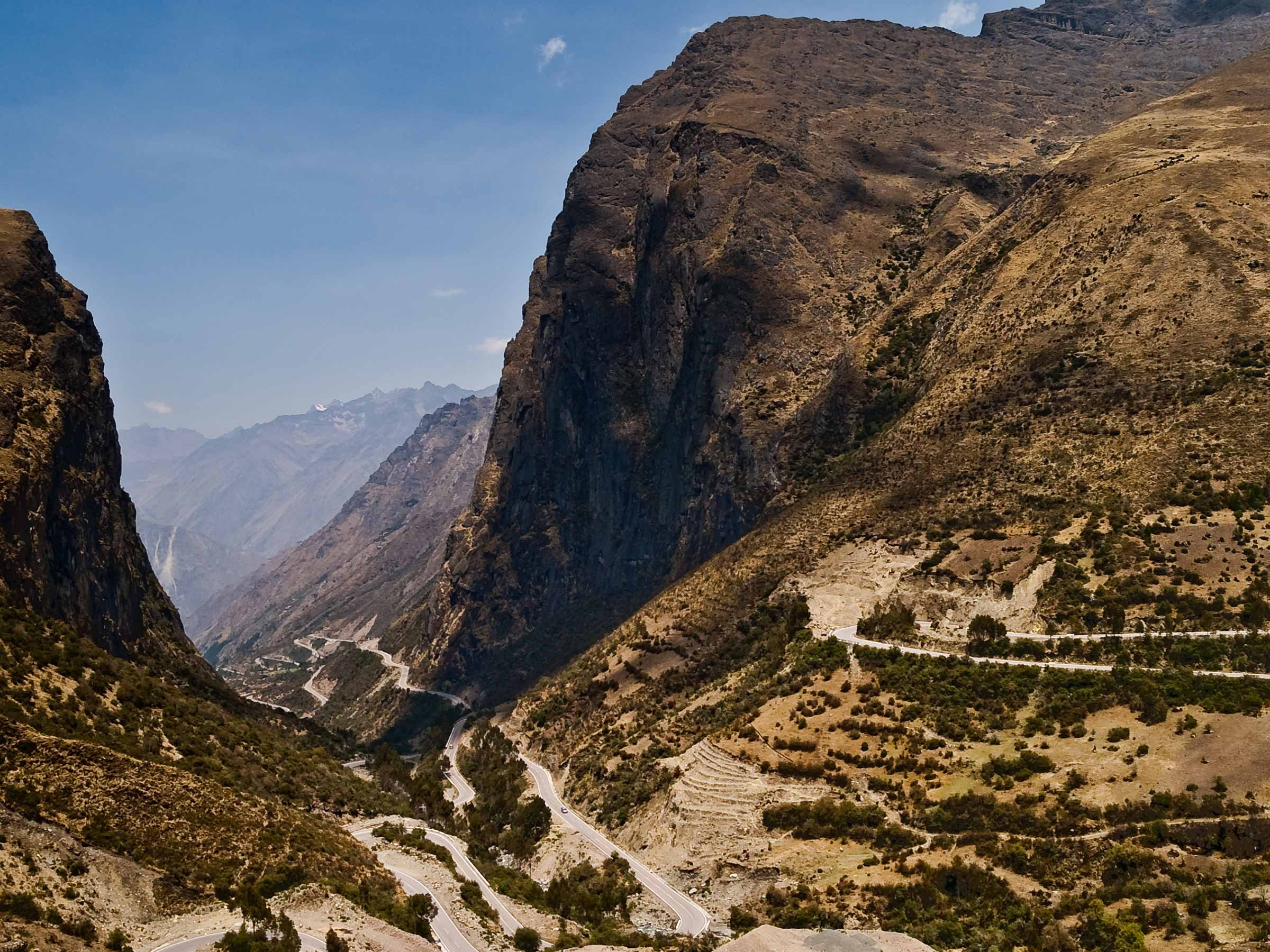
From Aguas Calientes, buses travel up the winding mountain road to the Machu Picchu entrance.
The journey takes approximately 25–30 minutes.
During busy periods, you should allow additional time for queues.
You can also walk from Aguas Calientes to Machu Picchu, but this means climbing a long series of steep stairs.
For travelers planning significant walking inside Machu Picchu—or climbing one of the mountains—saving your energy and taking the bus is often the more practical choice.
Can You Visit Machu Picchu in One Day from Cusco?
Yes.
A typical full-day journey might look like:
Early morning: Cusco → Ollantaytambo
Morning: Train → Machu Picchu Pueblo
Late morning or afternoon: Bus → Machu Picchu
Visit: Archaeological site
Afternoon: Bus → Machu Picchu Pueblo
Evening: Train → Ollantaytambo
Night: Transfer → Cusco
It works, but it is a long day.
A two-day trip provides more flexibility and usually feels much less rushed.
For many first-time visitors, spending one night in Aguas Calientes is worth considering.
Option 2: Travel to Machu Picchu Through the Sacred Valley
Another excellent approach is to make Machu Picchu part of a larger Sacred Valley journey.
For example:
Day 1: Cusco → Sacred Valley → Ollantaytambo → train → Aguas Calientes
Day 2: Machu Picchu → train → Ollantaytambo → Cusco
This structure allows you to experience places such as Pisac, Ollantaytambo or other areas of the Sacred Valley without repeatedly traveling the same road.
It also breaks the journey into manageable sections.
Option 3: Hike to Machu Picchu
Not everyone reaches Machu Picchu by train.
Several trekking routes can turn the journey itself into the main experience.
Classic Inca Trail
The Classic Inca Trail is the most historically significant hiking route because trekkers approach Machu Picchu through part of the original Inca road network.
Unlike normal train travelers, hikers traditionally reach the Machu Picchu area after several days on foot.
Permits are limited, so planning well ahead is important.
Short Inca Trail
Travelers who want an Inca Trail experience without spending four days camping can consider the shorter version.
It combines hiking, archaeological sites and arrival in the Machu Picchu area in a much shorter itinerary.
Salkantay Trek
Salkantay offers a very different landscape.
Instead of focusing primarily on archaeological roads, the journey passes through dramatic high-altitude scenery near Salkantay Mountain before descending toward warmer cloud-forest environments.
It is one of the most popular alternatives for travelers who want trekking to be a major part of their Peru experience.
Option 4: Travel via Hidroeléctrica
Budget travelers sometimes reach Machu Picchu through the Hidroeléctrica route.
This normally involves road transportation from Cusco toward the jungle side of the region followed by a walk along the railway corridor toward Aguas Calientes.
The principal advantage is price.
The disadvantage is time.
Compared with the train from Ollantaytambo, this route involves many more hours of road transportation and additional walking.
It makes the most sense for travelers whose priority is reducing transportation costs rather than maximizing comfort or time.
Should You Stay One or Two Nights in Aguas Calientes?
For most travelers, one night is sufficient.
Consider two nights if:
- You prefer traveling slowly
- Your Machu Picchu entrance is very early
- You have multiple entrance tickets
- You are climbing an additional mountain
- You want extra flexibility around train schedules
- You are particularly interested in the surrounding cloud-forest environment
Otherwise, Aguas Calientes primarily functions as a base for visiting Machu Picchu.
Can You Buy Machu Picchu Tickets in Aguas Calientes?
A limited number of tickets are reserved for in-person purchase in Machu Picchu Pueblo.
The Ministry of Culture currently states that 1,000 tickets per day are allocated for in-person sales there.
However, travelers should not interpret this as a reason to arrive without a reservation.
It can require additional time in Aguas Calientes, your preferred circuit may not be available, and availability becomes more uncertain during busy travel periods.
If Machu Picchu is the main reason for your trip to Peru, securing your entrance before arriving is far safer.
How Much Time Do You Need at Machu Picchu?
Your experience depends significantly on the circuit you purchase.
Machu Picchu no longer operates as a site where visitors simply enter and wander anywhere they choose.
Routes direct visitors through particular sectors.
This is why understanding your circuit before buying a ticket is so important.
Think about what matters most to you:
| Your priority | What to consider |
|---|---|
| Classic panoramic photo | Panoramic viewpoints and suitable Circuit 1 or 2 routes |
| Archaeological areas | Circuit 2 or appropriate Circuit 3 route |
| Huayna Picchu | Route specifically including Huayna Picchu |
| Machu Picchu Mountain | Route specifically including the mountain |
| First visit | A route providing a balanced overall experience |
| Photography | Route with access to elevated viewpoints |
Always verify the currently available routes on the official Machu Picchu website before purchasing because access conditions can change.
What Should You Bring?
Machu Picchu’s location between the Andes and the cloud forest means conditions can change quickly.
A small daypack should normally contain:
- Passport
- Machu Picchu ticket
- Rain jacket or poncho
- Light layers
- Sun protection
- Hat
- Insect repellent
- Water
- Comfortable walking shoes
- Fully charged phone or camera
Do not bring an oversized backpack.
Official visitor regulations prohibit bags larger than 40 × 35 × 20 cm (16 × 14 × 8 in) inside Machu Picchu. Food, alcoholic beverages and several other items are also restricted.
What Is the Best Way to Travel to Machu Picchu for the First Time?
For someone visiting Peru for the first time, one of the easiest itineraries is:
Day 1 – Arrive in Cusco
Take the day slowly and adapt to the altitude.
Day 2 – Explore Cusco
Visit the historic center and nearby archaeological sites without planning an exhausting schedule.
Day 3 – Sacred Valley
Travel through the Sacred Valley and finish the day in Ollantaytambo.
Day 4 – Ollantaytambo to Aguas Calientes
Take the train through the Urubamba Valley and spend the night in Machu Picchu Pueblo.
Day 5 – Machu Picchu
Take the morning bus to the archaeological site, complete your selected circuit and return to Cusco later in the day.
This itinerary requires more time than a one-day Machu Picchu tour, but it dramatically reduces transportation pressure.
Common Mistakes When Planning Machu Picchu
Booking the train before checking Machu Picchu availability
Your entrance ticket should normally come first.
Choosing a circuit without understanding it
Different tickets provide genuinely different experiences.
Do not assume every entrance gives access to the famous viewpoint, Huayna Picchu or every archaeological sector.
Scheduling connections too tightly
Mountain transportation can be affected by weather, road conditions and operational disruptions.
Leave reasonable margins between transfers.
Carrying too much luggage
If you are staying only one night in Aguas Calientes, leave your large suitcase at your hotel in Cusco or the Sacred Valley and travel with a small overnight bag.
Trying to fit everything into one day
It is technically possible to travel from Cusco to Machu Picchu and return the same day.
That does not automatically make it the best itinerary.
If Machu Picchu is one of the main reasons you traveled to Peru, giving the journey an additional day can make the entire experience considerably more relaxed.
So, What Is the Easiest Way to Reach Machu Picchu?
For most travelers, the simplest route remains:
Cusco → Ollantaytambo → train to Aguas Calientes → bus to Machu Picchu
The transportation itself is not particularly complicated.
The part requiring careful planning is coordinating your Machu Picchu ticket, circuit, entrance time and train schedule.
Book those correctly and the rest of the journey becomes much easier.
And perhaps that is the most useful thing to know before traveling to Machu Picchu: reaching the famous Inca citadel is not one single journey. It is a chain of small journeys—across Cusco, through the Sacred Valley, along the Urubamba River and finally up into the mountains.
Planning those pieces well means that when you finally walk through the entrance, you can stop thinking about transportation and start paying attention to the reason you came.






Deja un comentario