

Faqs
Encuentra las respuestas a las preguntas más comunes sobre nuestros tours, procesos de reserva y recomendaciones para viajar con nosotros.
The best time to visit Cusco and Machu Picchu is generally during the dry season, from May to September. These months usually offer clearer skies and better conditions for sightseeing and trekking. However, they are also the busiest months of the year. April, October, and November can also be excellent options for travelers looking for fewer crowds.
A minimum of four to five days is recommended. Spending two or three days in Cusco and the Sacred Valley allows you to acclimatize before visiting Machu Picchu. Travelers who want to explore more archaeological sites, hike, or visit nearby attractions may prefer seven days or longer.
The fastest and most convenient way to travel from Lima to Cusco is by plane. Direct flights usually take approximately 1 hour and 20 minutes. Traveling by bus is also possible, but the journey can take more than 20 hours because of the mountainous terrain.
Most travelers take transportation from Cusco to Ollantaytambo and then continue by train to Aguas Calientes, the town located below Machu Picchu. From Aguas Calientes, buses operate regularly to the entrance of Machu Picchu. Trekking routes such as the Inca Trail and Salkantay Trek are alternative ways to reach the area.
Yes. A Machu Picchu full-day tour from Cusco is possible, but it requires an early departure and a late return. The journey normally includes transportation to the train station, a train to Aguas Calientes, a bus to Machu Picchu, a guided visit, and the return journey to Cusco.
Yes. Machu Picchu has limited daily entrance capacity, and popular circuits can sell out weeks or even months in advance. Booking early is especially important if you are traveling during the high season from May to September.
Yes. Travelers should carry the original identification document used when purchasing their Machu Picchu entrance ticket. International visitors normally use their passport. The information on the ticket should match the traveler’s identification document.
Machu Picchu uses designated visitor circuits to organize movement through the archaeological site. Each circuit provides access to different viewpoints, archaeological areas, or additional hikes. Travelers should choose their circuit carefully because visitors are generally required to follow the route indicated on their ticket.
The best circuit depends on your interests. Some routes provide classic panoramic views of Machu Picchu, while others focus more on archaeological areas or additional mountain hikes. Travelers interested in photography usually prefer routes that include elevated viewpoints.
Machu Picchu is located approximately 75 kilometers northwest of Cusco in a straight line, but the actual journey is longer because of the mountainous geography. Most visitors travel through the Sacred Valley and Ollantaytambo before continuing by train to Aguas Calientes.
Cusco is located approximately 3,400 meters or 11,150 feet above sea level. Because of the altitude, some visitors may experience mild symptoms such as headaches, fatigue, shortness of breath, or difficulty sleeping during their first days.
Machu Picchu is located approximately 2,430 meters or 7,970 feet above sea level. It is considerably lower than Cusco, which means many travelers find breathing and walking easier once they arrive at Machu Picchu.
Take it easy during your first day, drink plenty of water, avoid excessive alcohol, eat light meals, and get enough rest. Many travelers also choose to spend time in the Sacred Valley, which is lower than Cusco, while their bodies adjust to the altitude.
Travelers planning strenuous activities such as the Inca Trail, Salkantay Trek, Rainbow Mountain, or other high-altitude hikes should ideally spend at least two days acclimatizing in Cusco or the Sacred Valley before beginning their trek.
Bring comfortable walking shoes, lightweight clothing, warm layers, a rain jacket, sunscreen, sunglasses, a hat, insect repellent, reusable water, personal medication, and a small backpack. Weather conditions can change quickly in the Andes, so dressing in layers is highly recommended.
Cusco has a dry season and a rainy season. The dry season generally runs from May to September and usually has sunny days and cold nights. The rainy season normally occurs from November to March, bringing warmer nights, greener landscapes, and more frequent rainfall.
Yes. Machu Picchu remains an impressive destination during the rainy season. The surrounding mountains are especially green, and there are often fewer visitors. Travelers should bring waterproof clothing and be prepared for occasional rain, clouds, and changing visibility.
Machu Picchu is generally open throughout the year. Weather conditions vary considerably between seasons, but visitors can travel to the archaeological site during both the dry and rainy seasons.
The Classic Inca Trail is normally closed during February for maintenance and conservation work. Alternative trekking routes such as the Salkantay Trek may continue operating depending on weather and trail conditions.
Staying overnight in Aguas Calientes is a good option for travelers who prefer a more relaxed Machu Picchu experience. It allows you to avoid completing the entire journey from Cusco and back on the same day and can make early entrance times easier to manage.
Aguas Calientes, officially known as Machupicchu Pueblo, is the town located below the archaeological site. Visitors normally arrive there by train and then take a bus or hike uphill to the entrance of Machu Picchu.
The train journey from Ollantaytambo to Aguas Calientes normally takes approximately 1 hour and 30 minutes to 2 hours, depending on the train service. The route follows the Urubamba River and offers spectacular views of the Sacred Valley and surrounding mountains.
Yes. Visitors can hike from Aguas Calientes to the Machu Picchu entrance. The route involves a steep uphill climb with many stairs and normally takes approximately 1.5 to 2 hours depending on fitness level. Most visitors prefer taking the shuttle bus.
Most visits last approximately two to three hours, depending on the selected circuit and entrance ticket. Travelers combining the archaeological site with an additional mountain hike may spend considerably longer in the area.
A professional guide is highly recommended because Machu Picchu contains many archaeological, historical, cultural, and architectural details that are difficult to understand without explanation. A guide also helps visitors navigate the designated circuit efficiently.
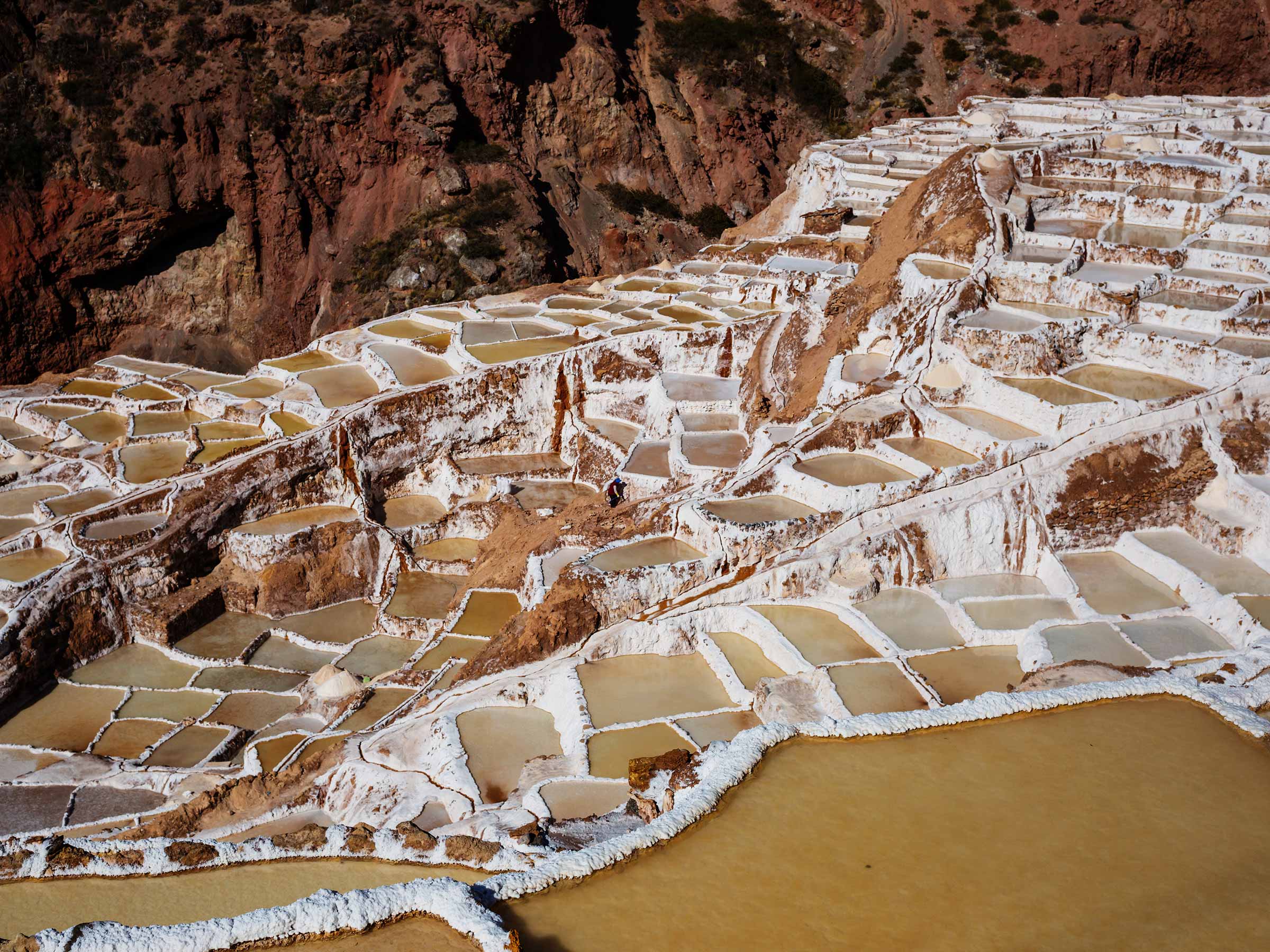
Yes. Visiting the Sacred Valley before Machu Picchu is one of the most popular travel plans. Destinations such as Pisac, Ollantaytambo, Chinchero, Moray, and the Maras Salt Mines can easily be included before continuing toward Machu Picchu.
Both options are possible. Cusco provides easy access to restaurants, museums, archaeological sites, and cultural attractions. The Sacred Valley is located at a lower altitude and can be a comfortable option for travelers who want to acclimatize gradually after arriving in the region.
Yes. Independent travelers can organize their own entrance ticket, transportation, train ticket, accommodation, and bus tickets. However, coordinating the schedules can be complicated, so many visitors choose an organized tour to simplify the logistics.
Cusco is one of Peru’s most visited tourist destinations and receives travelers from around the world throughout the year. Visitors should still follow normal travel precautions, protect personal belongings, use authorized transportation, and avoid carrying unnecessary valuables.
Planning several months in advance is recommended, particularly for travel between May and September. Machu Picchu entrance tickets, popular train schedules, Inca Trail permits, and accommodation can have limited availability during peak travel periods. Early planning gives you more options for circuits, schedules, and hotels.